Build the Skyscraper Train Carry More and Move Faster
Upgrade order, diminishing returns, and training that actually serves the tower.
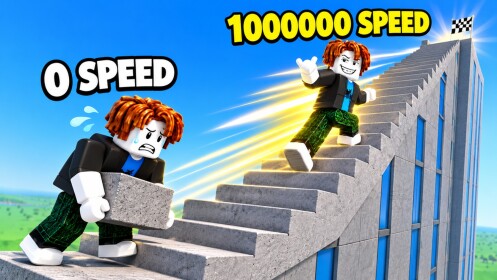
Training is part of the skyline
The official Build the Skyscraper pitch puts training in the same sentence as building: grab materials, team up, train to carry more and move faster, finish skyscrapers, grow stronger, keep climbing. Stats are not a side minigame. They are how later floors stay fun instead of turning into a tired commute.
This page explains a practical upgrade order, how to feel diminishing returns without spreadsheets, and how to sync gym time with live building. Pair it with Materials and Carry, How to Build, Training Priority, Co-op Teamwork, and Getting Started.
The two pillars: carry and speed
Carry raises how much material you transport per trip. Speed raises how quickly you complete each trip. You need both. All carry and no speed makes you a strong snail. All speed and no carry makes you a blurry courier of crumbs.
Early game, alternate short blocks:
- Build until the weight ceiling frustrates you.
- Train carry for a few interactions or a timed minute.
- Build until the walk frustrates you.
- Train speed similarly.
- Repeat, lengthening build blocks as floors start finishing.
That oscillation teaches which stat is limiting your route, not a generic tier list’s route. Still, when you want a default order, use the community-style ranking on Training Priority.
Suggested first-hour upgrade order
Community-minded default for most new players:
- Minimum carry so a trip places more than a token amount.
- Minimum speed so the return path does not feel sticky.
- Carry again if floors still need many trips each.
- Speed again if lava-themed detours or crowds stretch travel time.
- Balance touch-ups whenever one stat feels obviously ahead of the other.
Why carry slightly first? Because an empty-looking pad needs volume. Speed shines once volume exists. If your lobby’s depot sits extremely far from the scaffold, flip the order—path length can make speed the real day-one unlock. Observe one full loop before you commit.
Diminishing returns intuition
You will not get a published formula here, and inventing fake percentages would be dishonest. Use feel tests instead:
- After a train block, run the same route with a similar load.
- If floors completed per minute rise, the upgrade mattered.
- If nothing changes, you trained past your current bottleneck (or your unload/path is broken).
- If movement feels worse because you overpacked into the new carry cap, you discovered a soft skill cap—lighten loads or add speed.
Diminishing returns show up as “another level barely moved the needle.” When that happens, switch stats or return to building. Parking on one trainer forever while the tower stalls is a classic incremental trap. The skyscraper only cares about placed floors and finishes.
Sync training with building sessions
Treat training like a pit stop, not a second career.
Good sync patterns
- Train between towers after a finish celebration.
- Train when the pad has a material buffer and one placer can idle safely.
- Assign one teammate as rotating trainer while others keep supply moving (Co-op Teamwork).
- End training on a timer you announce in chat (“back in two”).
Bad sync patterns
- Silent disappearance mid-final floors.
- Entire squad training while the place zone idles.
- Training through every tiny annoyance instead of fixing the route.
- Refusing to build until stats “feel max”—they will not, and the lobby will move on.
If you play solo, use floor milestones as alarms: every few floors, allow one short train block, then force yourself back to materials. Solo players who only train wake up to an empty sense of progress and no finished tower stories.
Training during the Lava Update mood
Lava branding can change how dangerous or long a path feels even when the underlying loop is familiar. If new glow, pits, or vertical flourishes appear near your old ghost route, speed and careful carry sizing matter more. Scout empty-handed, then train the stat that the new hazard punishes—usually speed for escapes and spacing, carry only after you can survive the lane. Read Lava Update and Updates: Lava Update for grounded expectations and a reminder to verify live notes on Roblox.
Platform notes while training
Training still uses Roblox movement and interact patterns. On mobile, give yourself slightly longer interact windows and avoid training spots jammed against jump puzzles if your thumbs already struggle. On console, confirm the interact button before you start a long AFK-looking press. Desktop players should still watch the character—alt-tab training helps nobody if you walk off a ledge under lava trim. See Controls.
Measuring training ROI
Keep a simple mental ledger:
- Trips to finish a floor before vs after the session.
- Comfortable load size before vs after.
- Whether teammates notice faster pad refills.
- Whether you finish more skyscrapers per hour of real time.
If ROI is flat, stop buying the same upgrade vibe and audit materials efficiency on Materials and Carry or placement waste on How to Build. Stats cannot fix a looping detour.
Team training etiquette
On busy servers (up to 50 players), training areas can crowd. Rotate, do not body-block. If a trainer is clearly finishing a set, wait your turn or find a duplicate station. Never shove someone into a hazard for a laugh—this is a co-op builder, not an arena.
Share gains without flex spam. “Carry feels better, I can take bulk again” helps the squad more than raw level shouting. If codes ever grant training boosts, redeem only verified entries from Codes—this wiki will not invent them.
Putting it together
A strong session might look like: open with bulk building, hit a carry block when stacks feel tiny, resume building, hit a speed block when lava lanes feel long, push a finish, then a shared train break before the next tower. That rhythm matches the game’s fantasy—grow stronger, keep climbing—without abandoning the people who are actually placing floors.
Train with intent, test with identical routes, and let finished skyscrapers prove the upgrades worked.
Frequently Asked Questions
Quick answers for builders climbing the skyline.
Should I max carry before touching speed?
Usually take a minimum in both. Lean carry first if the pad needs volume; lean speed first if the depot is far or lava detours are long.
How long should a training block last?
Short enough that the tower still has builders—often a timed minute or two—then return and test the same route under load.
Why do my new stats feel useless?
You may have upgraded past the real bottleneck, or your path/unload is inefficient. Re-test one controlled trip and fix materials or placement next.
Is there an official training tier list?
Not from this wiki’s sources. Use Training Priority as labeled community-style advice for this loop.